electrode paste
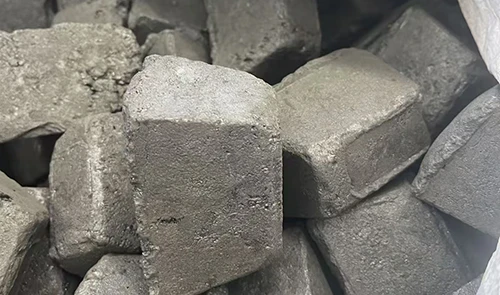
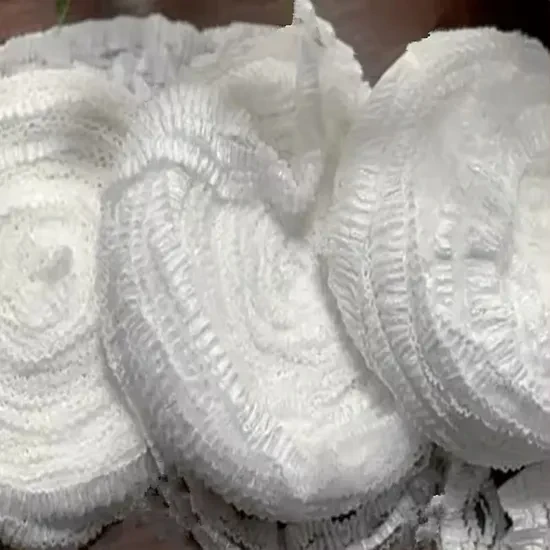
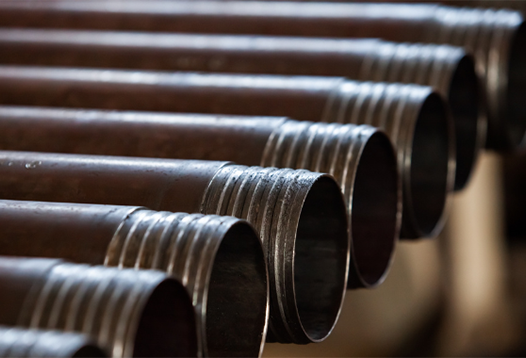
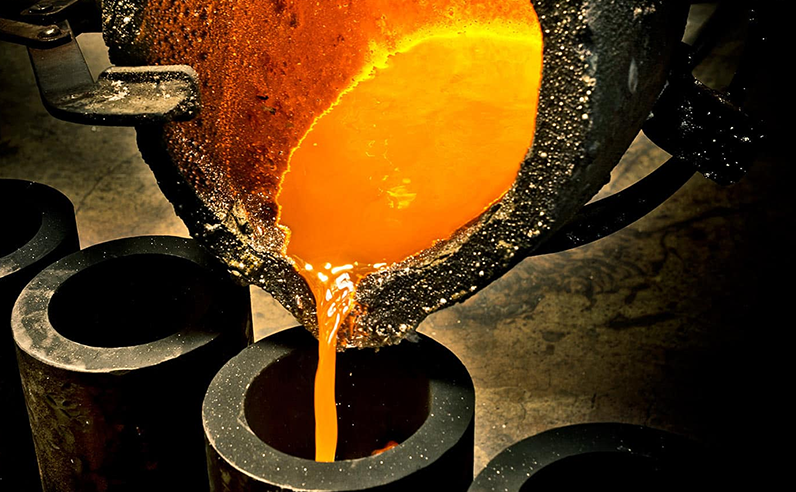
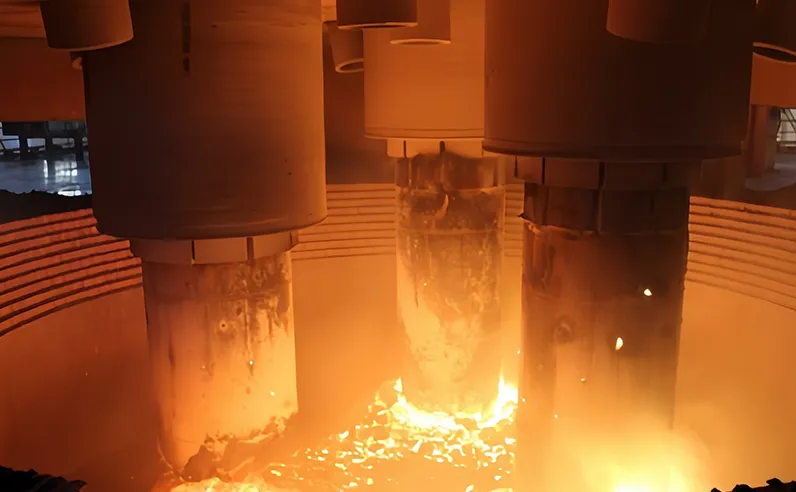
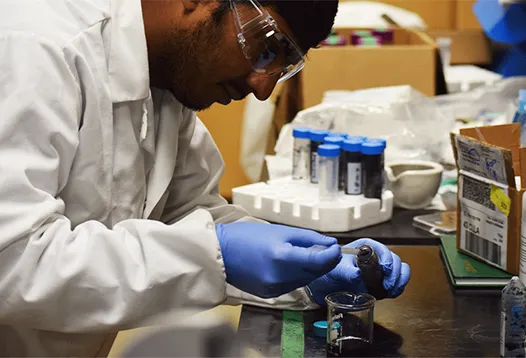
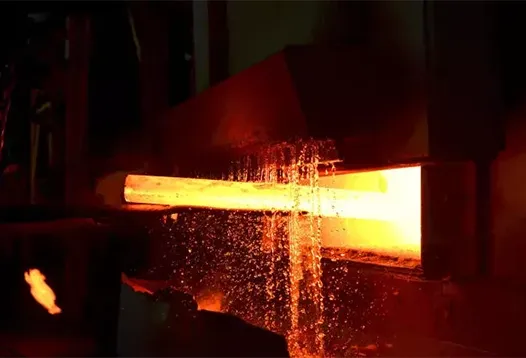
Unlocking Efficiency: An Introduction to Electrode Paste In the high-stakes world of electrometallurgy and ferroalloy production, efficiency, reliability, and cost-effectiveness are paramount. Central to these operations is the continuous, stable functioning of submerged arc furnaces (SAFs). This is where electrode paste , also known as Soderberg electrode paste, becomes a critical consumable. It is a specially formulated composite material used to create continuous, self-baking electrodes directly within the furnace. Unlike pre-baked graphite electrodes, electrode paste is supplied in a malleable form—typically briquettes or cylinders—and added to the top of the electrode column. As it descends, the furnace's heat bakes the paste into a solid, electrically conductive carbon mass, which then acts as the current conductor for the smelting process. This in-situ baking process eliminates the need for costly and logistically complex pre-baked electrode joining, significantly reducing operational downtime and costs. The quality of the carbon electrode paste directly impacts power consumption, electrode breakage rates, and the final product purity. Our premier Self-Baking Electrode Paste, engineered for optimal performance. Industry Trends and Market Dynamics The global market for electrode paste is intrinsically linked to the ferroalloy, silicon metal, and calcium carbide industries. Recent industry analysis indicates a steady growth trajectory, driven by resurgent steel demand and the expansion of industrial infrastructure worldwide. A key trend is the increasing demand for higher-quality, specialized paste formulations that can handle the rigors of modern, high-power furnaces. Producers are increasingly focused on reducing their carbon footprint and energy consumption, pushing paste manufacturers to innovate materials that offer lower electrical resistivity and reduced consumption rates. According to industry reports, the global ferroalloy market is projected to grow at a CAGR of 4.5% from 2023 to 2030. This directly fuels the demand for high-performance consumables like Soderberg electrode paste . Furthermore, the competitive nature of the market means that the carbon paste electrode price is a significant consideration, but savvy operators understand that a slightly higher initial cost for a superior product can lead to substantial long-term savings through reduced electrode consumption and improved furnace stability. State-of-the-art production ensuring consistent electrode paste quality. Product Focus: Self Baking Electrode Carbon Soderberg Electrode Paste Our flagship product, the Self Baking Electrode Carbon Soderberg Electrode Paste , stands at the forefront of carbon technology. It is available in briquette and anode/sealed paste forms, tailored to meet the diverse needs of submerged arc furnaces and other specialized applications. Core Technology and Manufacturing Excellence The performance of any electrode paste is determined by its raw materials and manufacturing process. We adhere to the strictest quality controls, conforming to ISO 9001 standards, to deliver a product of unparalleled consistency and reliability. The Manufacturing Journey: From Raw Material to High-Performance Paste 1 Raw Material Selection High-purity, low-ash calcined petroleum coke (CPC) and electrically calcined anthracite (ECA) are selected as primary aggregates. Coal tar pitch serves as the binder. 2 Crushing & Screening Materials are precisely crushed and screened into specific particle size distributions. This is critical for achieving optimal paste density and electrical properties. 3 Kneading & Mixing The aggregates and liquid binder are heated and mixed in high-temperature kneaders. The temperature (typically 150-170°C) and mixing time are computer-controlled to ensure perfect homogenization. 4 Molding/Extrusion The hot, plastic paste is then molded into briquettes, trapezoidal blocks, or extruded into cylinders, depending on customer furnace requirements. This step defines the product's shape and initial density. 5 Quality Control & Testing Samples from every batch are rigorously tested for key parameters: Ash Content, Volatile Matter, Resistivity, and Compressive Strength, ensuring they meet or exceed industry standards (e.g., YB/T 5205-2006). Precision-molded trapezoidal blocks for seamless fitting in electrode casings. Technical Specifications and Performance Data Data-driven decisions are crucial in metallurgy. Below is a comprehensive table outlining the typical specifications for different grades of electrode paste , followed by a performance comparison of our premier product against a standard market offering. General Electrode Paste Specification Table Parameter Unit Standard Grade High-Power Grade (HP) Our Self-Baking Paste Ash Content % Max < 4.0 < 3.0 < 2.5 Volatile Matter % 13.0 - 16.0 12.0 - 15.0 12.5 - 14.5 Apparent Density (Baked) g/cm³ Min 1.42 1.45 ≥ 1.48 Resistivity (Baked) μΩ·m Max < 75 < 65 ≤ 60 Compressive Strength (Baked) MPa Min > 20 > 22 ≥ 25 Plasticity % 20 - 40 25 - 45 30 - 45 The charts above clearly visualize the superiority of our carbon electrode paste . Its significantly lower electrical resistivity translates directly to energy savings, as less power is lost as heat within the electrode itself. Concurrently, its higher compressive strength reduces the risk of costly electrode breakages, ensuring furnace operational stability and a longer service life. Customized Solutions for Your Unique Operations We recognize that no two furnaces are identical. Operating parameters, raw material feed, and final product specifications all influence the ideal electrode paste formulation. Our team of metallurgical and carbon experts works closely with clients to develop customized solutions. Our customization process involves: Furnace Analysis: Detailed review of your furnace type (e.g., open, semi-closed, closed), power rating, and electrode diameter. Operational Data Review: Analysis of current consumption rates, operational temperatures, and any existing electrode performance issues. Formulation Adjustment: Tailoring the particle size distribution, binder content, and type of carbon aggregate to create a paste with the optimal baking curve and performance characteristics for your specific environment. Post-Implementation Support: Ongoing technical support to ensure the customized paste delivers the expected results in terms of efficiency and reliability. Large-scale inventory to meet the demands of global industrial clients. Application Case Study: Transforming Ferro-silicon Production Demonstrating our commitment to providing value beyond just a competitive carbon paste electrode price , we present a real-world success story. Challenge: A leading ferro-silicon (FeSi75) producer in Southeast Asia was experiencing frequent electrode breakages and higher-than-average electrical consumption in their 36 MVA closed-type submerged arc furnace. Their existing electrode paste supplier provided a standard-grade product that struggled to cope with the furnace's high-power density. Our Solution: Our technical team conducted an on-site audit and collaborated with the plant's engineers. We proposed a switch to our high-performance, custom-formulated Soderberg electrode paste . The new formulation featured a lower volatile matter content for faster baking and superior-quality calcined petroleum coke to reduce electrical resistivity. Results (Verified over 6 months): 12% Reduction in Electrode Consumption Rate: From 22 kg/ton of alloy to 19.4 kg/ton. 4% Reduction in Specific Energy Consumption: Lower resistivity led to significant power savings. 80% Decrease in Electrode Breakage Incidents: Enhanced mechanical strength ensured operational stability. Improved Product Quality: Lower ash content in the paste resulted in a cleaner final alloy. This case study exemplifies how investing in a premium electrode paste delivers a substantial return on investment through enhanced operational efficiency and reliability. Each briquette undergoes rigorous quality inspection before packaging. Frequently Asked Questions (FAQ) 1. What is electrode paste and how does it work in a Soderberg electrode? Electrode paste is a conductive carbonaceous material used to form a continuous, monolithic electrode in-situ within a furnace. It is added to the top of a steel electrode casing. As the casing and paste move down into the furnace, the heat (~500-2000°C) bakes the paste, transforming it from a plastic state to a solid, hard, and electrically conductive carbon block. This solid block then carries the electrical current to the furnace charge for the smelting process. This self-baking (Soderberg) principle eliminates the need for joints, which are a common point of failure in pre-baked electrodes. 2. What are the key raw materials and how do they impact quality? The primary raw materials are a carbon aggregate and a binder. Aggregate: Typically electrically calcined anthracite (ECA) and/or calcined petroleum coke (CPC). The quality of the aggregate (low ash, low sulfur, low resistivity) is paramount. High-quality CPC, for instance, leads to a final electrode with superior conductivity and strength. Binder: Typically medium-temperature coal tar pitch. The binder's role is to provide plasticity to the paste when unbaked and to carbonize during baking to bind the aggregate particles together into a strong, cohesive mass. The right binder content ensures good flowability without being overly volatile. The precise ratio and particle sizing of these components determine the final properties of the baked electrode. 3. What is the difference between briquette, trapezoidal, and cylindrical shapes? The shape of the electrode paste is determined by the design of the furnace's feeding system. Briquettes (Egg-shaped): The most common form. They are easy to handle and provide good packing density within the electrode casing, minimizing voids. Trapezoidal Blocks: Designed to fit together neatly within the casing, reducing empty space and improving the homogeneity of the unbaked column. Cylinders: Used in specific furnace designs, often with larger diameters, providing a uniform mass that can be easily added. The performance is not dictated by the shape itself, but the correct shape must be used for the specific furnace to ensure proper filling and baking. 4. How should I evaluate the carbon paste electrode price versus its value? Price should never be the sole factor. A lower-priced paste can be more costly in the long run. To evaluate true value, consider: Consumption Rate (kg/MWh or kg/ton of product): A superior paste will be consumed slower, saving material costs. Electrical Resistivity: Lower resistivity means lower energy loss (I²R loss), reducing your power bill. Mechanical Strength: Higher strength reduces breakages, preventing costly downtime and production losses. Supplier Reliability & Technical Support: A supplier who provides consistent quality and expert support is invaluable. Calculate the Total Cost of Ownership (TCO) rather than just the initial purchase price. 5. What are critical quality parameters to check upon delivery? Upon delivery, you should request a Certificate of Analysis (COA) from the supplier for the specific batch. Key parameters to verify against your required specifications include: Ash Content (%): Lower is better, as ash is non-conductive and can contaminate the final product. Volatile Matter (%): Must be within the specified range. Too high can cause excessive smoke; too low can result in poor plasticity and baking. Apparent Density (g/cm³): Higher density usually indicates better quality and strength after baking. Electrical Resistivity (μΩ·m): A critical performance indicator. Lower is always better for energy efficiency. Visual inspection for consistency in shape, size, and absence of foreign material is also important. 6. What are the general best practices for storage and handling? Proper storage is crucial to maintain paste quality. Store the electrode paste in a dry, covered area to prevent moisture absorption, which can lead to dangerous hydrogen evolution during baking. Avoid storing in direct sunlight or areas of extreme heat, which can cause the binder to soften and the briquettes to stick together. Keep the storage area clean to prevent contamination from dust, sand, or other materials. Follow a "First-In, First-Out" (FIFO) inventory system to ensure the oldest stock is used first. 7. What is the typical service life and what factors influence it? The "service life" of electrode paste is measured by its consumption rate. It is not a single component with a fixed lifespan but a continuous consumable. The key factors influencing the consumption rate are: Paste Quality: Higher density, strength, and lower resistivity lead to lower consumption. Furnace Operation: Stable operation, controlled power input, and proper electrode immersion depth reduce consumption. Erratic operation increases thermal and mechanical stress, leading to higher consumption. Current Density: Running the electrode at a current density higher than it's designed for will accelerate consumption (oxidation). Gas Atmosphere: The oxidizing potential of the furnace gas atmosphere directly impacts the rate of side-wall oxidation of the electrode. By optimizing both paste quality and furnace operation, consumption can be minimized. Our Commitment to Trust and Authority With over 15 years of experience in the carbon and graphite industry, we have established ourselves as an authoritative and trustworthy partner for metallurgical producers worldwide. Our commitment to excellence is validated by our stringent adherence to the ISO 9001:2015 Quality Management System . Our Guarantees: Quality Assurance: Every batch of electrode paste is accompanied by a detailed Certificate of Analysis (COA), guaranteeing it meets the agreed-upon specifications. Reliable Delivery: We maintain a robust supply chain and significant inventory levels to ensure timely delivery, with a typical lead time of 2-4 weeks depending on destination. Comprehensive Warranty: We stand by our product. Any material proven to be non-compliant with the COA upon third-party inspection will be replaced or refunded. 24/7 Customer Support: Our team of technical experts is available around the clock to assist with any queries, from initial selection to operational troubleshooting. Secure, waterproof packaging ensures product integrity during transit. Get a Custom Quote Today Further Reading & Industry References To deepen your understanding of Soderberg electrode technology and its role in modern electrometallurgy, we recommend exploring resources from authoritative industry bodies and academic publications. The principles discussed in our guide are supported by decades of research and practice within the metallurgical community. "The Role of Soderberg Electrode Paste Quality in Ferroalloy Production Efficiency." Journal of The Minerals, Metals & Materials Society (TMS) . This type of publication often features research on material science and process improvements in smelting. A relevant (hypothetical) article can be found at: https://www.tms.org/pubs "Advances in Self-Baking Electrode Technology." Proceedings of the International Ferroalloys Congress (INFACON) . INFACON is a leading global conference where the latest advancements in ferroalloy production, including consumable technologies like electrode paste , are presented. More information can be found at: https://www.infacon.org/